This Mechanical Reasoning preparation pack includes the most common mechanical topics, including:
- Force and Moment
- Cogwheels, Wheels, Pulleys, and Levers
- Fluids
- Velocity
- Quantitative
- Electricity
- Acoustics & Optics
- Thermodynamics
- Tools
 6 months access
 24/7 Customer Support
 * 24-Hours Money-Back Guarantee
Learn About Mechanical Reasoning Tests
Mechanical reasoning tests are common in hiring for technical, trade, maintenance, and hands-on operational roles. Employers use these tests to measure how well candidates understand basic mechanical and physical principles, including force, motion, electricity, fluids, gears, pulleys, and other practical concepts used in real work environments.
If you are applying for a job as a mechanic, field technician, plant operator, construction worker, electrician, or another mechanically focused role, there is a good chance you may be asked to complete a mechanical aptitude test during the hiring process.
Mechanical reasoning test practice can make a big difference. These tests are often timed, image-based, and designed to measure practical thinking rather than memorized theory. The better you understand the main topics and question styles, the more confident and prepared you are likely to feel on test day.
What Is a Mechanical Reasoning Test?
A mechanical reasoning test is a type of aptitude test that measures your understanding of basic mechanics and physical concepts. Employers use these tests to see how well you can interpret mechanical situations, recognize how objects interact, and apply logic to practical scenarios.
These tests often include pictures, diagrams, and multiple-choice questions. Instead of long written explanations, you may be shown a lever, a gear system, a pulley arrangement, an electrical circuit, or a problem involving balance, pressure, movement, or speed. Your task is to decide what will happen next or which answer best explains the outcome.
Mechanical reasoning questions usually focus on areas such as:
- force and movement
- balance and equilibrium
- mass and gravity
- velocity and acceleration
- thermodynamics
- electricity
- gears
- wheels
- pulleys
- fluids
Unlike general aptitude tests, mechanical reasoning exams are designed to measure practical understanding. They are especially relevant for jobs where equipment, machinery, tools, or technical systems are part of daily work.
Who Takes Mechanical Reasoning Tests?
Mechanical reasoning tests are often used for candidates applying to roles such as:
- field technicians
- mechanics
- plant operators
- construction workers
- electricians
- maintenance workers
- engineering support staff
- manufacturing employees
- machine operators
- technical apprenticeships
These tests help employers identify candidates who can think clearly about mechanical systems and make sound judgments in practical situations.
What to Expect on a Mechanical Aptitude Test
Most mechanical aptitude tests are timed and contain image-based questions. You may need to answer quickly while still paying attention to small details in a diagram or setup.
The exact structure depends on the employer and the test provider, but many mechanical reasoning tests include:
- multiple-choice questions
- diagrams of tools, machines, or systems
- practical workplace-style scenarios
- short time limits
- a mix of basic physics and mechanical concepts
Because there is no single standard version of the test, the exact content can vary. One employer may focus more on tools and machinery, while another may emphasize force, motion, electricity, or fluid behavior.
The 5 Question Types You Should Recognize
1. Gears and Rotation
Determine which direction gears turn or compare rotational speed.
2. Pulleys and Mechanical Advantage
Identify which arrangement requires less force.
3. Levers and Balance
Compare weight, distance from a pivot and force.
4. Forces and Motion
Predict how an object will move when forces are applied.
5. Basic Electrical and Fluid Systems
Understand circuits, pressure, flow and simple physical relationships.
Popular Mechanical Reasoning Tests
Several mechanical reasoning tests appear more often than others in hiring.
Bennett Mechanical Comprehension Test
The Bennett Mechanical Comprehension Test is one of the best-known mechanical pre-employment tests. It is widely used to assess general mechanical understanding through picture-based questions and practical scenarios.
Candidates may see questions involving:
- pulleys
- gears
- levers
- force
- movement
- basic machinery
Because of its popularity, many candidates specifically search for Bennett Mechanical Comprehension Test practice before applying to technical jobs.
Ramsay Mechanical Aptitude Test
The Ramsay Mechanical Aptitude Test is another common test used in technical and industrial hiring. It often focuses on realistic situations involving tools, equipment, appliances, and everyday mechanical systems.
This style of test is often seen in hiring for:
- maintenance jobs
- production roles
- plant work
- technician positions
Ramsay test practice can help candidates become more comfortable with practical mechanical scenarios.
Wiesen Test of Mechanical Aptitude
The Wiesen Test of Mechanical Aptitude also measures general mechanical understanding through multiple-choice questions. It often includes topics such as:
- force
- torque
- fluids
- velocity
- levers
- electricity
This test is commonly used when employers want a broader picture of a candidate’s mechanical aptitude and problem-solving ability.
What Should You Study for a Mechanical Reasoning Test?
Although the exact subjects vary by test provider and employer, most mechanical aptitude assessments draw from a relatively small group of mechanical principles. Understanding these areas can make preparation much more focused.
Force and Movement
Force and movement questions are among the most common on mechanical reasoning exams. These questions test how well you understand the way objects move, how force is applied, and how motion changes under different conditions.
You may see questions involving:
- pushing and pulling
- direction of motion
- levers
- tools
- balance
- stability
- equilibrium
This category is especially important because it appears so often in workplace mechanics and tool-based tasks.
Fluids
Fluid questions test your understanding of how liquids and gases behave. This includes concepts such as pressure, density, flow, and the effect of temperature.
You may need to understand:
- how water pressure changes
- why some objects float and others sink
- how gases respond to heat
- how liquids move through systems
Fluid questions can appear simple at first, but they often require careful comparison of pressure, depth, and movement.
Velocity
Velocity questions focus on speed, acceleration, direction, and the laws of motion. These questions often involve understanding what happens when an object speeds up, slows down, falls, or changes direction.
You may see topics such as:
- acceleration
- gravity
- motion under force
- comparing speeds
- momentum basics
This section often rewards candidates who understand the practical side of mechanics, not just textbook definitions.
Thermodynamics
Thermodynamics questions focus on heat, cooling, energy transfer, and changes in physical states. These questions may involve water, steam, temperature change, or general heat-related behavior.
Common examples include:
- heating and cooling
- evaporation
- condensation
- temperature effects on materials
These questions are usually straightforward, but they still require a basic understanding of physical behavior.
Electricity
Electricity questions test your understanding of circuits, current, voltage, and simple electrical principles. For many trade and maintenance jobs, this section is especially relevant.
You may be asked about:
- electrical flow
- circuit completion
- battery direction
- voltage basics
- simple current behavior
This does not always require advanced electrical training, but you do need to understand the fundamentals.
Wheels
Wheel questions focus on rotation, movement, and how wheel size affects speed and distance. These questions may appear in systems involving connected wheels or rotational movement.
You may need to compare:
- which wheel turns faster
- how size changes speed
- the effect of connected motion
Gears
Gear questions are very common in mechanical aptitude tests. They usually ask you to identify the direction of rotation, compare speed, or determine how one gear affects another.
Strong gear practice can help with:
- rotation direction
- gear speed
- gear size comparison
- linked systems
This is one of the easiest areas to improve with repeated practice.
Pulleys
Pulley questions often ask which system needs more force, which moves faster, or which arrangement is more efficient. These problems test your ability to compare setups visually and apply basic mechanical principles.
Acoustics
Acoustics questions are less common but may still appear. These focus on sound, vibration, pitch, and sometimes wave-related concepts such as the Doppler Effect.
Optics
Optics is one of the least common areas, but some tests include basic questions about light, reflection, refraction, and how images or rays behave.
Free Mechanical Reasoning Examples
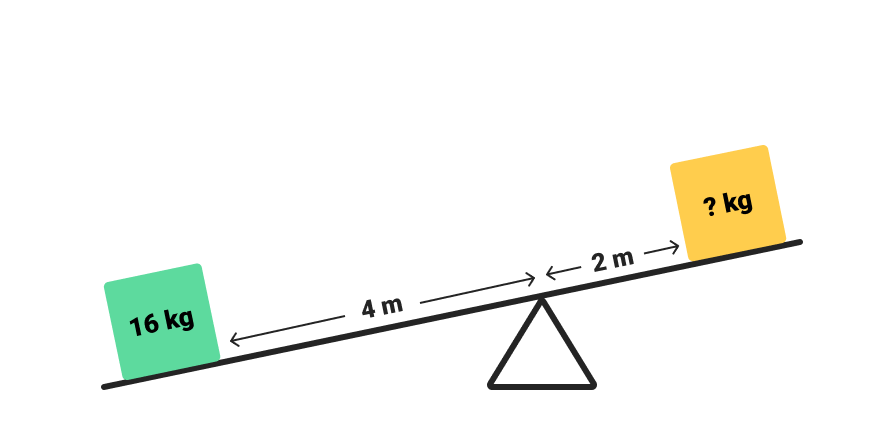
Example Question 1:
How much does the yellow box need to weigh in order to balance the plank?
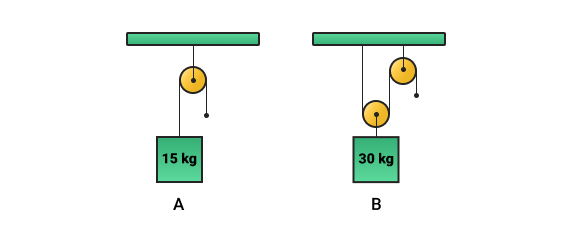
Example Question 2:
Which pulley system requires less force to raise the weight?
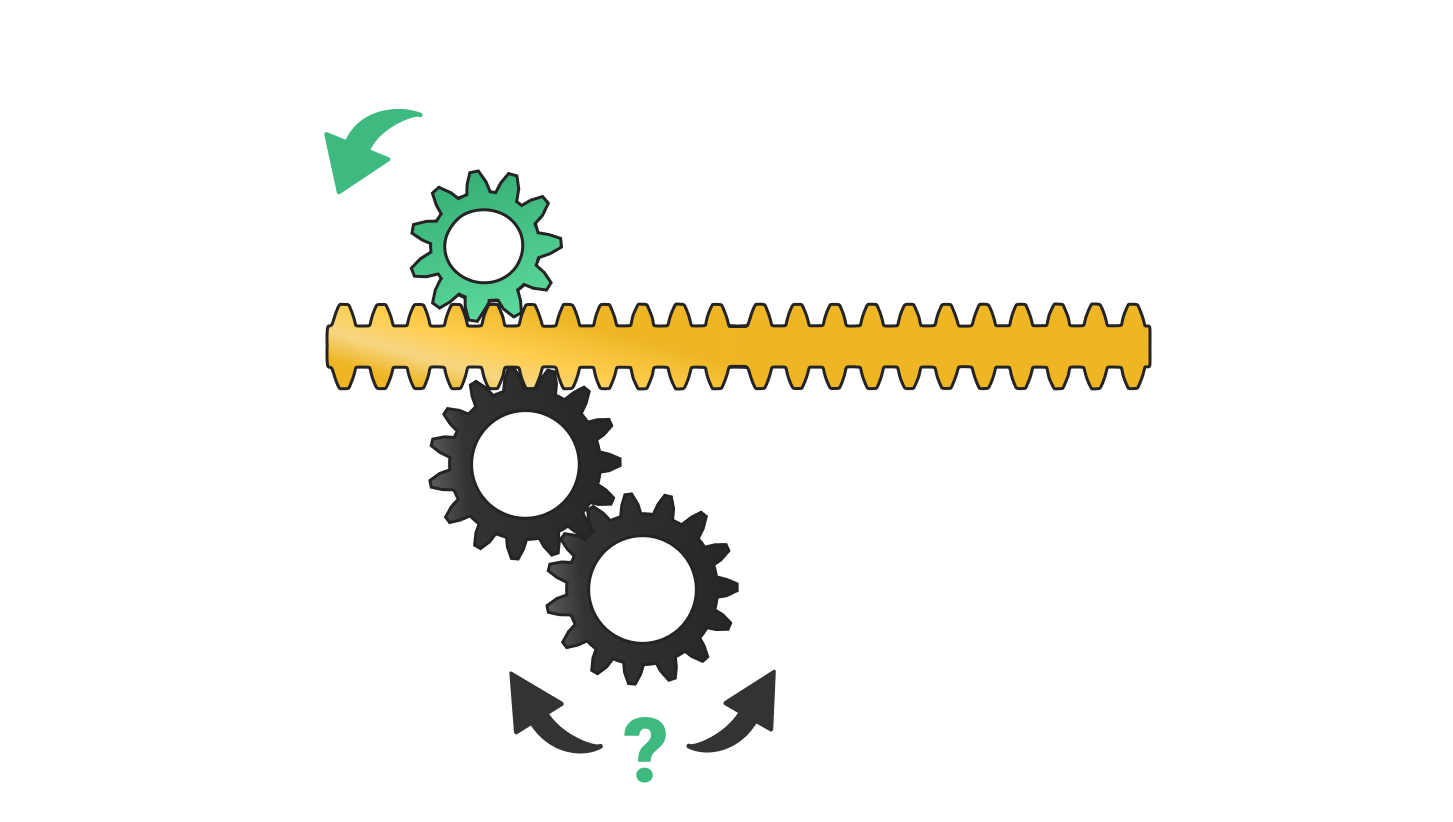
Example Question 3:
Which direction will the lower black wheel turn when the green wheel starts turning?
How to Pass a Mechanical Reasoning Test
To pass your exam, you will need to prepare ahead of time in order to familiarize yourself with the layout and types of questions on your particular test. Here are a few tips on how to pass a mechanical reasoning test:
- Prioritize studying the most common test question types.
- Take timed practice exams to find your strongest and weakest areas.
- Prepare in a similar environment to the actual test.
- Review subjects that are difficult for you.
Prepare for Your Mechanical Reasoning Test
If you want to score high marks on your mechanical reasoning test, you will need to take a professional pre-assessment. Our mechanical reasoning practice test covers the common question types to prepare you for success.
Start practicing today to improve your score on the real test.
Mechanical Reasoning Test FAQ
Mechanical reasoning tests are designed to measure your understanding of mechanical and physical concepts, often used in employment assessments for technical and engineering roles. Here are some frequently asked questions (FAQs) about mechanical reasoning tests:
1. What is a Mechanical Reasoning Test?
A mechanical reasoning test assesses your ability to understand and apply mechanical concepts and principles, such as force, motion, energy, and the properties of materials. These tests often include questions about pulleys, levers, gears, electrical circuits, and simple machines.
2. What types of questions are on a Mechanical Reasoning Test?
Questions typically involve diagrams or scenarios that require you to apply basic physics principles. Examples include determining the direction of movement in a gear train, calculating the force needed to lift an object with a pulley, or predicting the outcome of a mechanical process.
3. Who uses Mechanical Reasoning Tests?
Employers in industries like engineering, manufacturing, automotive, aerospace, and military often use these tests to evaluate candidates for roles that require a solid understanding of mechanical concepts. They are commonly used in the selection process for technical roles such as mechanics, engineers, machine operators, and technicians.
4. How can I prepare for a Mechanical Reasoning Test?
- Review Basic Physics: Brush up on fundamental physics concepts related to mechanics, such as Newton’s laws, forces, energy, work, power, and simple machines.
- Practice with Sample Questions: Practice tests can help you familiarize yourself with the types of questions asked and improve your problem-solving speed.
- Understand Test Format: Know whether the test is timed and if it allows the use of calculators or other aids.
- Improve Problem-Solving Skills: Work on problems that require logical reasoning and the application of mechanical principles.
5. Are there different types of Mechanical Reasoning Tests?
Yes, there are several types of mechanical reasoning tests, each tailored to different industries and roles:
- Mechanical Comprehension Tests: These assess your understanding of mechanical concepts and how mechanical systems work.
- Mechanical Aptitude Tests: Focus on your ability to learn mechanical processes and understand new mechanical concepts.
- Mechanical Spatial Reasoning Tests: Evaluate your ability to visualize and manipulate objects in space.
6. What should I expect during the test?
Most mechanical reasoning tests are timed and may be administered on paper or electronically. You’ll typically be given a series of multiple-choice questions with diagrams and must select the correct answer based on the information provided.
7. How are Mechanical Reasoning Tests scored?
Scoring is usually based on the number of correct answers. Some tests may penalize for incorrect answers, so it’s essential to understand the specific scoring rules of the test you’re taking. Employers often set a benchmark score or use the results to compare candidates against each other.
8. Can I use a calculator on the test?
This depends on the specific test. Some mechanical reasoning tests allow the use of calculators, while others do not. It’s essential to check the test guidelines beforehand.
9. How can I manage my time effectively during the test?
- Read Instructions Carefully: Make sure you understand each question fully before answering.
- Practice Time Management: Take timed practice tests to get used to the pace.
- Skip Difficult Questions: If a question is too challenging, move on and return to it later if time permits.